How much does rapamycin cost? You probably want the bottom line. You’ve seen the headlines about longevity and heard the biohackers on podcasts, and now you’re tired of the vague answers about whether this drug is a luxury for the ultra-wealthy or something anyone with a prescription can afford. The truth is, the price depends on how you source it, what your insurance covers, and whether you’re paying for a brand-name immunosuppressant or a generic version meant for off-label longevity protocols.
If you walk into a pharmacy and ask for “Rapamune,” expect to pay a massive premium. That’s the brand-name version of sirolimus, designed for organ transplant patients who aren’t worrying about the cost of a single pill. For those patients, insurance is the only way to handle the expense. But you aren’t looking for a transplant; you’re looking for the longevity benefits discussed in recent clinical literature.
The gap between the retail cost of Rapamune and generic sirolimus is massive. Without knowing how to navigate the pharmacy system, you might find yourself staring at a bill for over a thousand dollars for a single month’s supply. But for a savvy consumer, the reality is much more manageable. You need to understand these numbers before you talk to your doctor.
The Brand-Name Trap vs. Generic Reality
The most important thing to understand is that Rapamune and sirolimus are the same chemical. They’re functionally identical in how they interact with your biology, but their price tags are worlds apart. This is a perfect example of how patent protections can create a massive barrier to entry for medications that are otherwise very cheap to manufacture.
When you look at high-end retail numbers, the math is terrifying. According to GoodRx data, the average retail price for brand-name Rapamune can hit $1,283.78. That’s a ridiculous amount of money for a drug that is widely available in generic form. If you’re paying that price, you’re essentially paying for the brand’s marketing and profit margins rather than the medicine itself.
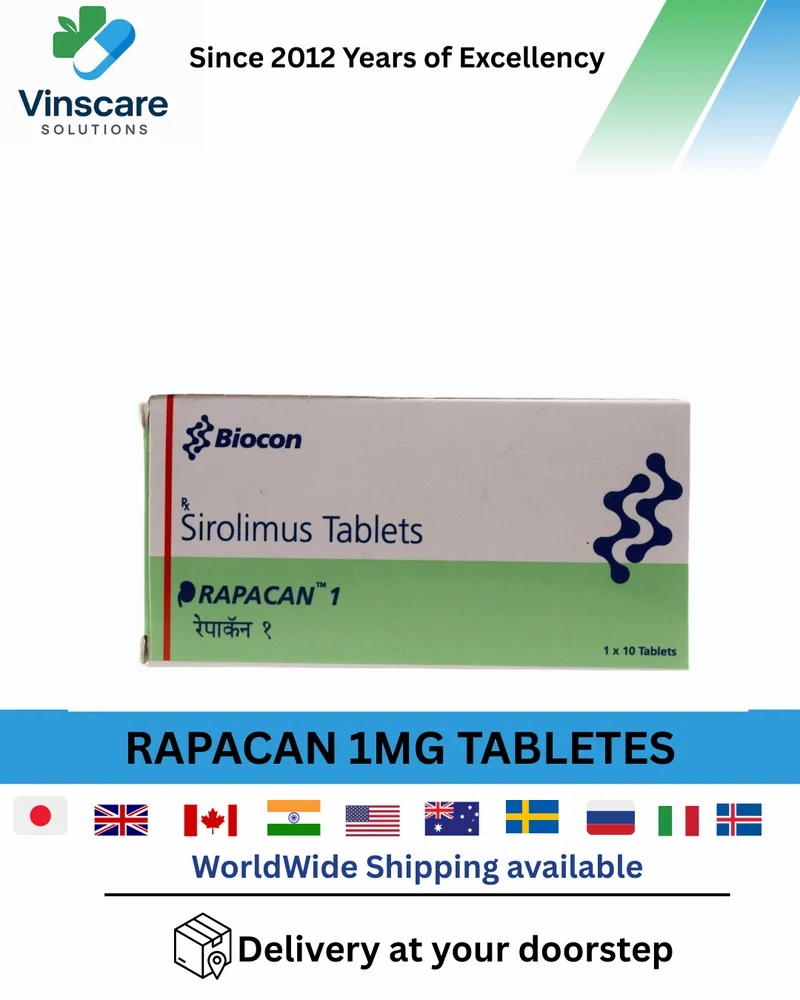
The good news? You don’t have to pay that. Generic sirolimus is significantly more affordable. You can actually get sirolimus for as low as $69.80 using a GoodRx coupon, which is a 95% savings compared to that retail price. Once you realize the drug is a generic, the “luxury” aspect disappears. It becomes a manageable monthly expense instead of a financial crisis.
Keep in mind that prices fluctuate depending on the pharmacy you use and how much you buy at once. Some patients prefer buying larger quantities to lower the per-pill cost. It’s a math game you should play before you ever walk up to the pharmacy counter.
| Medication Type | Estimated Monthly Cost | Source/Context |
|---|---|---|
| Rapamune (Brand Name) | $800 – $1,500 | Standard Retail |
| Sirolimus (Generic) | $69 – $130 | Using Coupons/GoodRx |
| Compounded Rapamycin | $60 – $150 | Specialty Longevity Services |
How Longevity Clinics and Compounding Change the Math
If you aren’t looking for the standard 2mg tablet used in transplant medicine, you might want a very different way to take this drug. Many people in the longevity community aren’t interested in a single high-dose pill once a week. Instead, they prefer smaller, more frequent doses, like 5mg or 6mg taken daily or every few days. That requires a different approach than a standard pharmacy visit.
This is where compounding pharmacies come in. Standard sirolimus tablets come in fixed doses (like 0.5mg or 1mg), which isn’t always ideal for the precise, low-dose titration longevity enthusiasts often use. A compounding pharmacy can create a custom pill with the exact milligram dosage you need. This means you won’t have to spend your time breaking tablets into tiny, inaccurate pieces, which is messy and unreliable.
Using a service like Healthspan, which offers specialized protocols, changes the financial equation. Their rapamycin protocols start at $64/month. This isn’t just for the pills; it’s a package that includes advanced lab testing and medical oversight. When you add in the cost of blood work to monitor your lipids and glucose, the “real” cost of a supervised protocol is higher than just buying a bottle of pills, but it is much more medically sound.
You have to decide if you want to be your own pharmacist or use a managed system. Managing it yourself might be cheaper on paper, but the margin for error is higher. With a subscription-based model, you’re paying for the peace of mind that comes with someone watching your blood markers to ensure you aren’t doing more harm than good. It’s a trade-off between the absolute lowest cost and clinical safety.
There’s also the question of where you get your information. If you’re looking at forums or ligapensionarilor.ro, you’ll see people debating dosing and sourcing, but remember that anecdotal advice isn’t a substitute for a prescription. You can’t just buy this over the counter like aspirin; it requires a doctor because it can impact your immune system and wound healing.
The Insurance Problem and Prescription Hurdles
Getting a doctor to write a prescription for rapamycin for “longevity” is a different beast than getting one for an organ transplant. Most insurance providers won’t pay for a drug used “off-label.” If your doctor writes a prescription for sirolimus specifically for “anti-aging,” your insurance company will likely deny the claim immediately. They don’t recognize longevity as a valid medical diagnosis for this medication.
This means you’ll likely be paying the “cash price.” You might think being a cash patient is a disadvantage, but for generics, it’s often the opposite. As noted by Amazon Pharmacy, many customers find they can pay around $10 for a specific tablet, which is often cheaper than what you’d pay with a high-deductible insurance plan. You have to do the math on every transaction.
The logistics can be a headache. You need a doctor who is willing to prescribe sirolimus for off-label use and understands the specific dosing you intend to use. Many traditional primary care physicians are hesitant to touch this because of the liability. They see “sirolimus” and think of immunosuppression and the risks involved, which is a valid medical concern, but a barrier to the specific use-case you want.
I remember a patient who spent three months arguing with their specialist about the legality of their dosing schedule, only to realize that once they switched to a compounding pharmacy and paid cash, the entire ordeal vanished. They went from paying hundreds of dollars in “co-pays” that still didn’t cover the full cost to a simple, flat monthly fee that was actually lower. It was a massive waste of emotional energy.
Don’t let insurance bureaucracy dictate your healthcare decisions. If the goal is longevity, prepare for the reality that you’ll likely be your own financier. Walk into that doctor’s office with a plan, not just a request. Know exactly which generic you want and which pharmacy offers the best cash price before they even pick up the pen.
Navigating the Pharmacy Landscape
Once you have your prescription, the battle moves to the pharmacy counter. You have three main paths: local retail, large online retailers, or specialty compounding pharmacies. Each serves a different purpose. You can’t just walk into any pharmacy and expect them to have everything in stock or to offer the best price.
Local pharmacies are convenient but often lack flexibility. They’re bound by the rigid systems of their parent companies and often struggle with custom compounding. If you want a specific dose that isn’t standard, they’ll likely tell you no. They might even say they don’t carry the drug at all, because sirolimus isn’t a common medication for someone in their 40s or 50s trying to optimize their health.
Online pharmacies are often the sweet spot for simplicity. They have streamlined the process for many generics and often have transparent pricing. However, make sure you’re using a legitimate, accredited pharmacy. There is a massive market for “gray area” online vendors that ship from overseas; while this might be the cheapest option, it carries risks regarding purity and legality. It’s not worth gambling on unverified pills from a random website just to save a few bucks.
The decision boils down to how much control you want. If you want the lowest price and can handle the logistics, go the generic route via a reputable discount site. If you want a hands-off, medically supervised approach where the doctor handles the labs and the pharmacy handles the custom doses, use a specialized service. Both are valid, but they require different levels of effort and different financial commitments.
The “cheapest” option is often a moving target. A price that is low today might jump tomorrow due to supply chain issues or manufacturer changes. You should always have a backup pharmacy in mind. If your primary source suddenly hikes the price, you shouldn’t be left without your medication while you search for a new provider. It’s a constant process of monitoring and adjusting.
- Always check GoodRx prices before paying full price at the pharmacy counter.
- Ask your doctor specifically about sirolimus (generic) rather than Rapamune (brand).
- Consider compounding pharmacies if you need custom, low-dose regimens.
- Verify that any online pharmacy is licensed and accredited.
Ask your doctor for a prescription for generic sirolimus and call at least three different pharmacies to compare the cash price before you commit.
A few things readers ask
How much does rapamycin cost?
The cost of rapamycin varies significantly depending on the dosage, brand name versus generic, and the pharmacy, typically ranging from $20 to over $100 per month.
Where can I buy rapamycin?
Rapamycin must be purchased through a licensed pharmacy with a valid prescription from a healthcare provider.
Can you buy rapamycin over the counter?
No, rapamycin is a prescription-only medication and cannot be purchased over the counter.
Will my doctor prescribe rapamycin?
A doctor will only prescribe rapamycin if it is medically indicated for a specific approved condition or an off-label use that they deem clinically appropriate for the patient.
Is rapamycin available as a generic?
Yes, rapamycin is available in generic forms, which are typically more cost-effective than the brand-name version, sirolimus.